
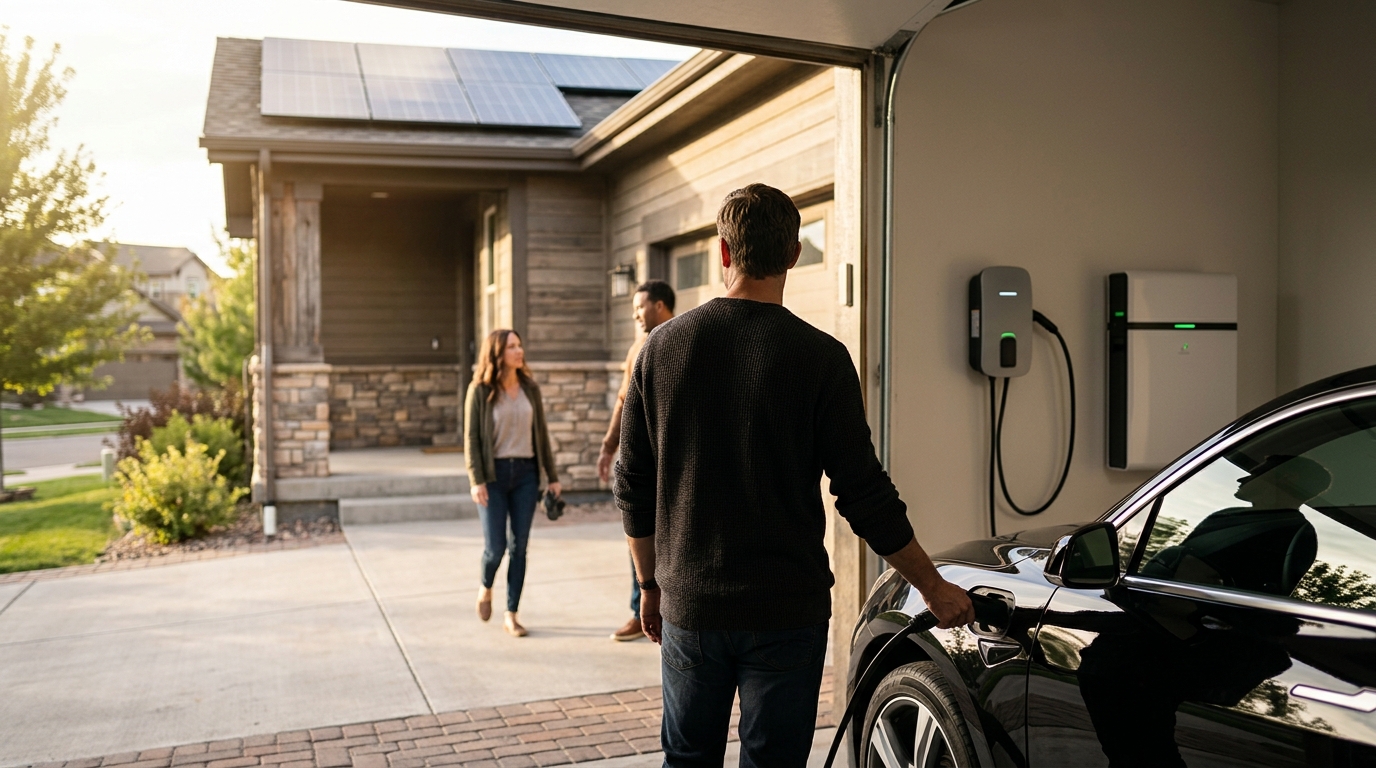
How to Add an EV Charger and Battery Storage to Your Home Solar System
Integrating electric vehicle charging and battery storage with an existing solar array is no longer a futuristic concept. It is a standard upgrade for homeowners seeking energy independence. According to recent industry data, the average cost of home battery storage has dropped significantly, making it a viable option for more households. This guide outlines the precise steps to add these systems to your current setup.
Step 1: Assess Your Current Solar Infrastructure
Before purchasing new hardware, you must evaluate your existing solar installation. Solar integration is a technical process that requires verifying compatibility between your inverter and new devices. If you installed your system with Impact Energy, you likely have a modern, grid-tied system that supports these upgrades.
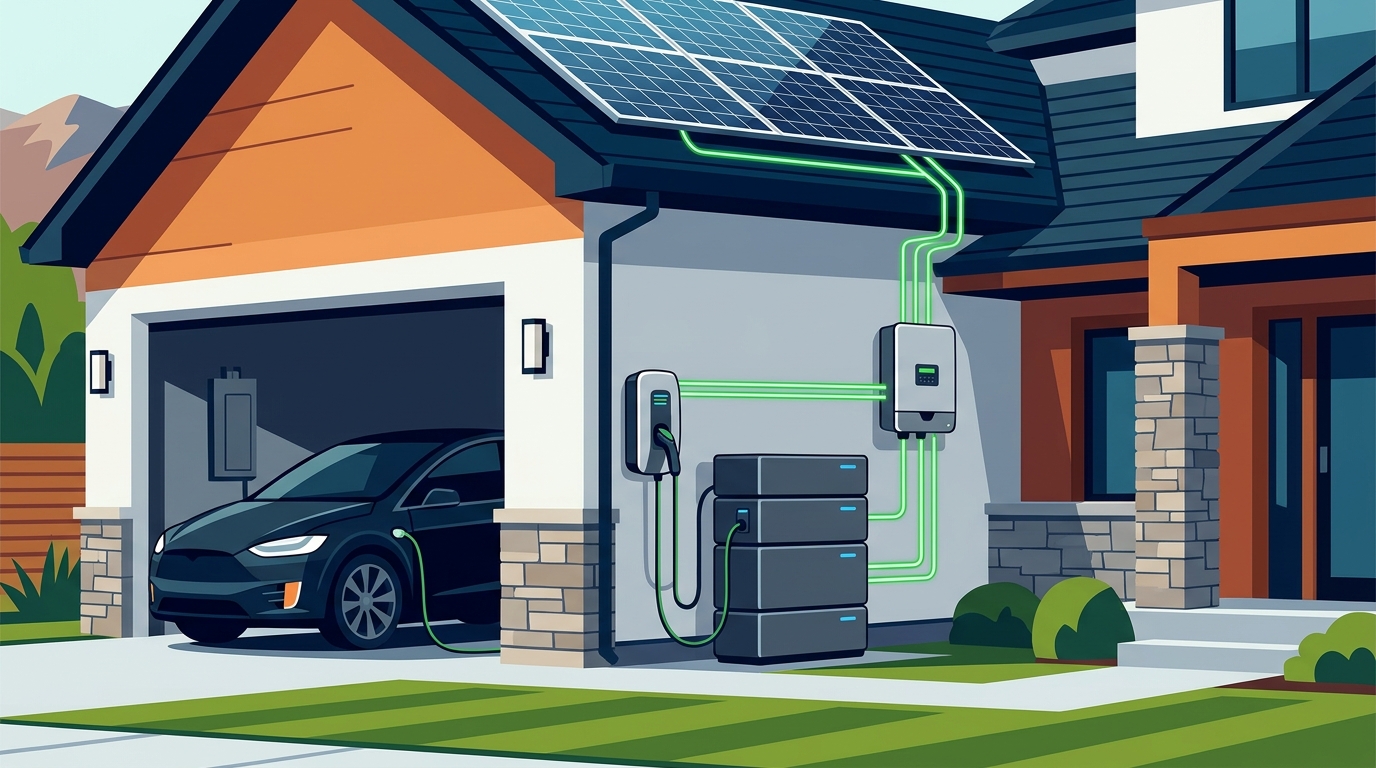
Check your inverter type. Hybrid inverters can manage both solar generation and battery storage directly. If you have a string inverter, you may need a separate battery inverter or a microinverter setup. Contacting your original installer is the fastest way to confirm your system's capacity. You can view our solar services to understand the technical specifications of our installations.
Step 2: Select the Right Battery Storage System
Battery storage allows you to use solar power at night or during outages. The most common technology today is lithium-ion. Battery storage is a critical component of a resilient home energy system. It captures excess energy generated during the day for use when the sun is not shining.
Consider your backup needs. Do you want to power the entire home or just essential circuits? Impact Energy offers premium solar battery solutions designed for Colorado homes. These systems are engineered to withstand local weather conditions and provide reliable power during grid fluctuations.
Step 3: Choose and Install the EV Charger
Electric vehicle chargers come in two main levels. Level 1 chargers use a standard outlet and are slow. Level 2 chargers require a dedicated 240-volt circuit and charge much faster. For most homeowners, a Level 2 charger is the practical choice.
You can explore our EV charger services to find models that integrate with your solar system. Smart chargers can communicate with your solar inverter to charge your vehicle only when excess solar energy is available. This maximizes your self-consumption and minimizes grid reliance.
Step 4: Electrical Integration and Permitting
Adding these systems requires professional electrical work. This is not a DIY project. The process involves upgrading your main panel if necessary and running new conduit lines. Electrical safety is paramount when dealing with high-voltage systems.
Permitting is a mandatory step in Colorado. Local authorities require inspections to ensure the new equipment meets safety codes. Impact Energy handles the financing and permitting process for our clients. We ensure all work complies with the National Electrical Code and local regulations.
Step 5: Financing and Incentives
The cost of adding a battery and EV charger can be offset by incentives. The federal Investment Tax Credit (ITC) allows you to deduct a percentage of the installation cost from your taxes. Colorado also offers specific rebates for battery storage.
We provide transparent Colorado solar loans to make these upgrades affordable. Our team can help you calculate your potential savings and available incentives. This ensures you get the best return on your investment.
Key Takeaways
- Verify your inverter compatibility before purchasing new hardware.
- Lithium-ion batteries are the standard for home storage.
- Level 2 EV chargers offer the best balance of speed and cost.
- Professional installation is required for safety and code compliance.
- Impact Energy completes 3000+ projects with high customer satisfaction.
- Federal and state incentives can significantly reduce total costs.
- Smart charging features optimize solar self-consumption.
Frequently Asked Questions
Can I add a battery to my existing solar system?
Yes, most modern solar systems can be retrofitted with battery storage. You may need a hybrid inverter or a separate battery inverter depending on your current setup.
How long does it take to install an EV charger?
A standard Level 2 EV charger installation typically takes one day. This includes running the circuit and mounting the unit.
What is the difference between a hybrid and string inverter?
A hybrid inverter can manage solar, battery, and grid power simultaneously. A string inverter typically only manages solar panels and requires additional equipment for battery integration.
Are there tax credits for EV chargers?
Yes, the federal government offers a tax credit for the purchase and installation of qualifying electric vehicle charging equipment.
Do I need to upgrade my electrical panel?
It depends on your home's current capacity. If your panel is old or has low amperage, an upgrade may be necessary to support the new load.
How much battery storage do I need?
The size depends on your home's essential loads and how long you want to stay powered during an outage. Impact Energy can perform a detailed load analysis.
Does Impact Energy service the Denver area?
Yes, we provide services across Denver, Aurora, Lakewood, and surrounding Colorado communities. Visit our service areas page for more details.
Ready to Upgrade Your Home Energy?
Adding an EV charger and battery storage is a powerful step toward energy independence. Impact Energy is ready to help you navigate this process. We provide no upfront cost options and expert installation. Contact us today to schedule your savings report. Visit our contact page to get started.