
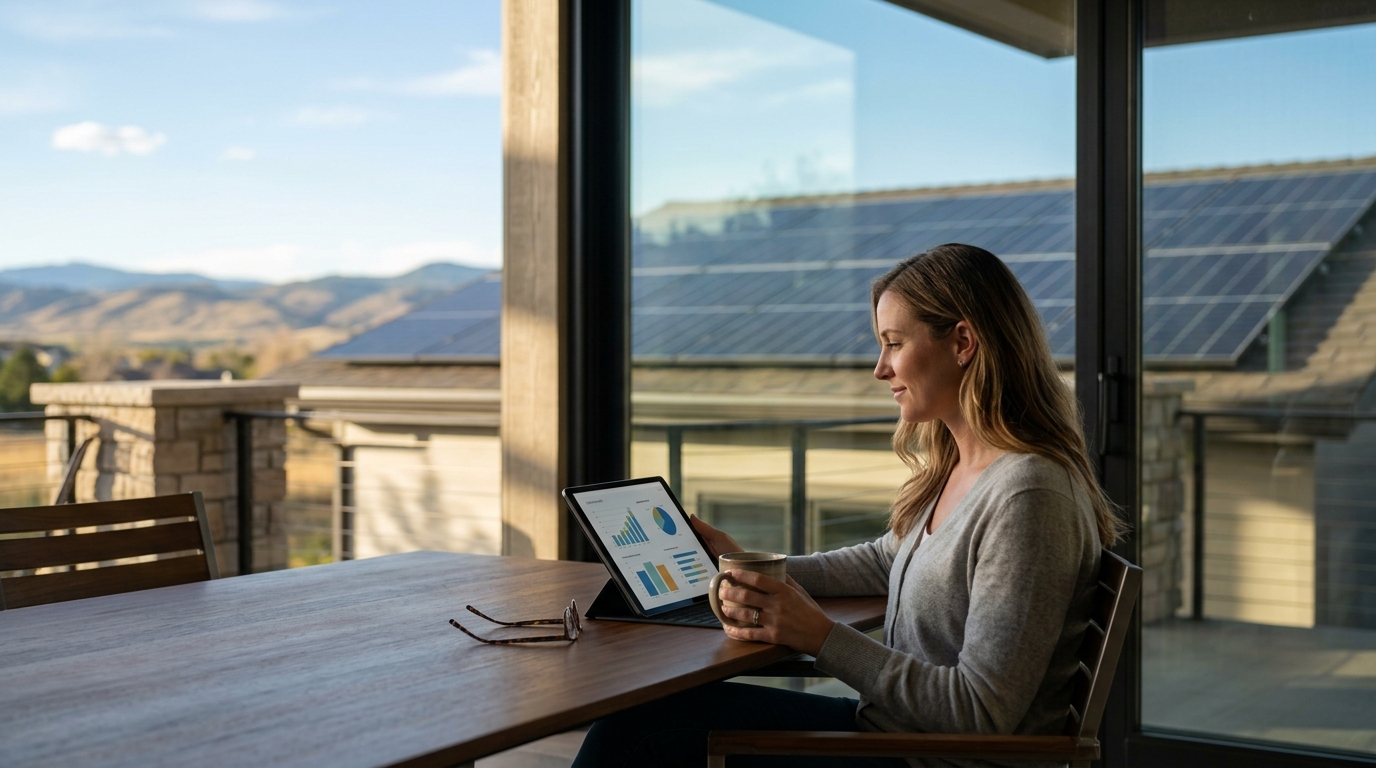
Utility rates in Colorado have surged dramatically over the last decade, with average residential electricity prices climbing by more than 50% since 2015. This upward trajectory is not a temporary fluctuation but a structural shift in the energy market driven by infrastructure aging and regulatory mandates. Homeowners in Denver, Aurora, and Centennial are now facing unpredictable monthly costs that erode household savings. The solution lies in transitioning to a fixed-rate energy model through solar installation, which eliminates exposure to volatile utility pricing. (About Us Impact Energy)
Understanding the Causes of Rate Hikes
Electric bills increase due to a combination of supply chain costs, labor shortages, and grid maintenance requirements. Utility companies pass these operational expenses directly to consumers through base rate adjustments. According to data from the U.S. Energy Information Administration, residential electricity prices in the Mountain West region have consistently outpaced national averages due to regional infrastructure demands.
Furthermore, climate change has intensified extreme weather events in Colorado. These events strain the grid, leading to higher peak demand charges. When you rely solely on the grid, your bill fluctuates based on these external factors. There is no cap on how high your monthly cost can go. This unpredictability makes budgeting difficult for homeowners.
Many residents in areas like Greeley and Lakewood report similar frustrations. They notice that even when their energy consumption remains constant, their bill increases. This phenomenon is known as the "usage gap." It occurs because the cost per kilowatt-hour rises faster than the efficiency of modern appliances reduces consumption. Breaking this cycle requires a fundamental change in how you source your power.
Comparing Solar Fixed Rates to Utility Volatility
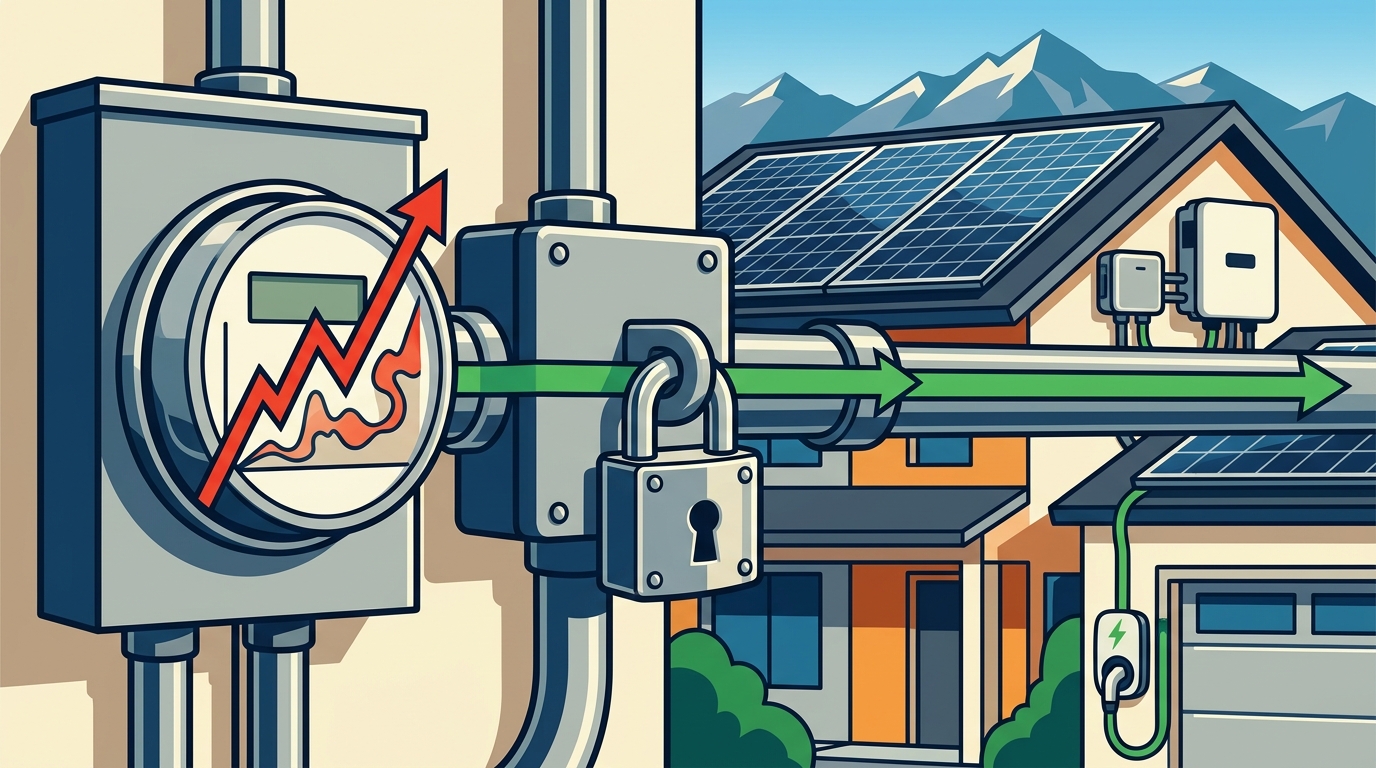
Solar energy offers a predictable alternative to utility pricing. When you install a solar system, you effectively lock in your energy rate for the lifespan of the system. This is often referred to as a "fixed rate" because your cost per kilowatt-hour remains constant, regardless of utility hikes. This stability is the primary financial benefit of going solar.
Consider the long-term math. If your utility rate increases by 3% annually, your costs compound over time. A solar system with a fixed financing payment or a cash purchase eliminates this variable. You are no longer subject to the whims of the grid. Instead, you pay a known amount for a known output.
Impact Energy specializes in designing systems that maximize this savings potential. We analyze your historical usage to ensure your system produces enough energy to offset your grid dependence. This approach ensures that your "fixed rate" is not just a theoretical concept but a practical reality for your household budget.
The Impact Energy Process for Rate Locking
Locking in a fixed rate begins with a comprehensive site assessment. We do not use generic templates. Instead, we utilize satellite imagery to evaluate your roof pitch, azimuth, and orientation. This data allows us to calculate the Total Solar Resource Fraction (TSRF) for your specific property. Accuracy here is critical for ensuring your system meets your energy needs.
Our team conducts a detailed shade analysis to identify potential obstructions. Trees, neighboring buildings, or architectural features can impact sunlight exposure. By identifying these factors early, we design a system that avoids shading losses. This ensures maximum energy production throughout the year.
Once the design is approved, our in-house installation team handles the entire process. We manage all permits and inspections. This eliminates the risk of delays or compliance issues that often plague DIY or poorly managed installations. Our 30-year product warranty and 10-year workmanship warranty provide long-term security. This warranty structure is a key component of your fixed-rate stability.
We also integrate solar batteries into many designs. Batteries allow you to store excess energy for use during peak hours. This further reduces your reliance on the grid during expensive time-of-use periods. For homeowners in Centennial and Denver, this layer of protection is invaluable.
Financing Your Transition to Fixed Rates
Transitioning to solar does not require a massive upfront investment. Impact Energy offers flexible financing options that align with your budget. Our "No Up-Front Cost" model allows you to start saving immediately. Your monthly solar payment is often lower than your current utility bill from day one.
We also provide Colorado Solar Loans tailored to local incentives. These loans leverage federal tax credits and state rebates to reduce your effective cost. By locking in a loan rate, you fix your energy cost for the duration of the loan. After the loan is paid off, your energy is essentially free, except for minimal maintenance costs.
It is important to compare these fixed costs against projected utility increases. A standard utility bill will continue to rise. A solar loan payment remains static. This divergence creates significant savings over the life of the system. Our team provides a detailed savings report to illustrate this projection clearly.
Key Takeaways
- Utility rates in Colorado have risen by over 50% since 2015, driven by infrastructure and regulatory costs.
- Solar installation locks in a fixed energy rate, protecting homeowners from future utility hikes.
- Impact Energy uses satellite imagery and shade analysis to design precise, high-efficiency solar systems.
- Our in-house installation team handles all permits and inspections, ensuring compliance and quality.
- Financing options include no upfront cost models and Colorado-specific solar loans.
- Solar batteries can further reduce costs by storing energy for peak usage periods.
- Impact Energy serves Centennial, Denver, Aurora, Greeley, and Lakewood with premium service.
Frequently Asked Questions
How does solar lock in my electric rate?
Solar locks in your rate by replacing variable utility pricing with a fixed monthly financing payment or a zero-cost cash purchase. Your energy cost becomes predictable and immune to utility rate hikes.
Can I still use the grid if I install solar?
Yes, most systems are grid-tied. You use solar power during the day and draw from the grid at night. However, your reliance on the grid is significantly reduced, lowering your overall bill.
What is the Total Solar Resource Fraction?
The Total Solar Resource Fraction (TSRF) is a metric used to calculate the percentage of sunlight your roof can effectively capture based on its orientation and shading. It is critical for accurate system design.
Does Impact Energy subcontract installations?
No. Impact Energy prides itself on having no subcontracted installers. All work is performed by our in-house team, ensuring quality control and accountability.
How long does the installation process take?
The process typically takes a few weeks from design approval to activation. This includes permit acquisition, installation, and final inspection by local authorities.
Are there tax incentives for solar in Colorado?
Yes, federal tax credits and potential state rebates are available. Impact Energy helps you navigate these incentives to reduce your effective system cost.
What areas do you serve?
We serve Centennial, Denver, Aurora, Greeley, Lakewood, Pueblo, and Colorado Springs. Our local expertise ensures we understand regional building codes and climate conditions.
Get Your Fixed Rate Quote
Stop letting utility companies dictate your budget. Take control of your energy costs with a fixed-rate solar solution. Contact Impact Energy today to schedule your free savings report. Visit our Contact Page to request a consultation. Our team is ready to help you switch to solar and start saving immediately.