
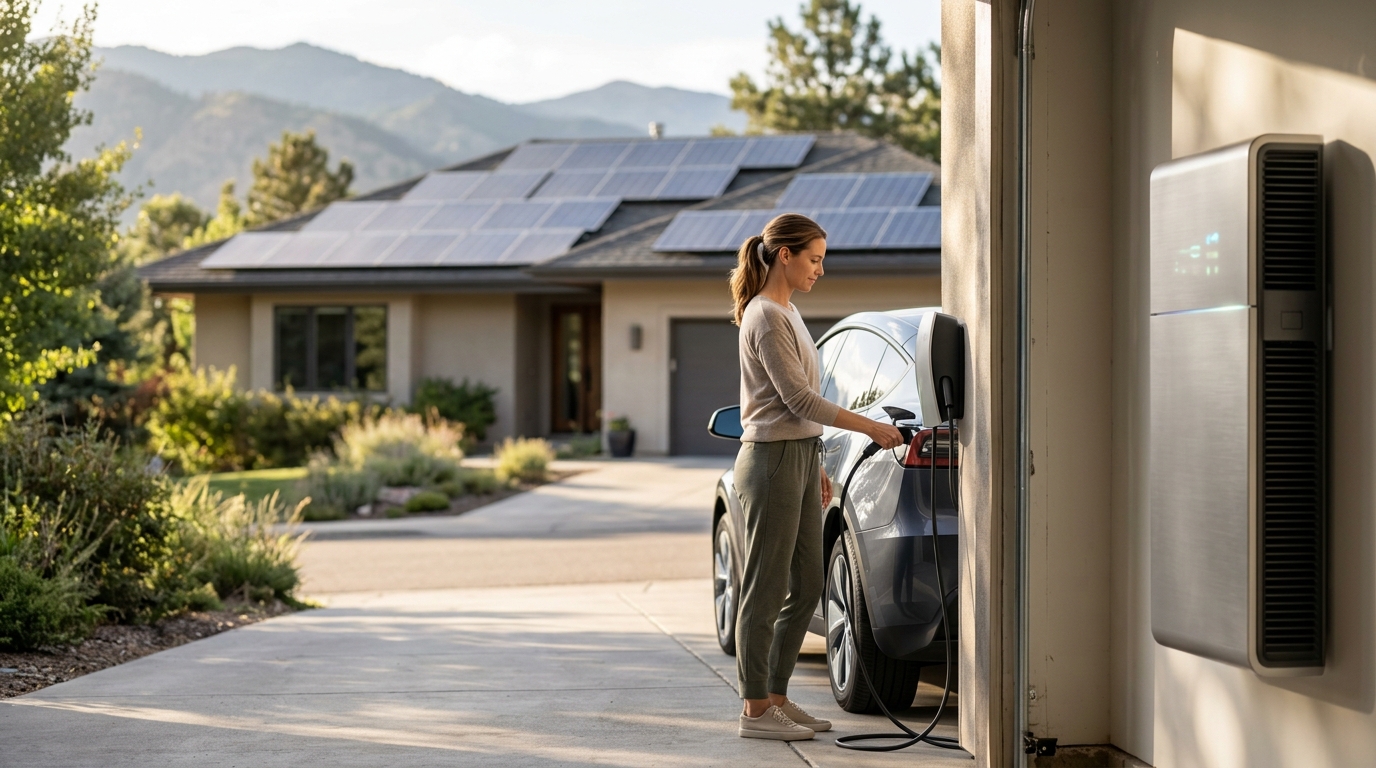
Integrating an electric vehicle charger and battery storage into an existing solar array is no longer a futuristic concept. It is a standard upgrade for homeowners seeking energy independence. According to recent industry data, the average cost of home battery storage has dropped significantly, making this combination more accessible than ever. This guide outlines the precise steps to add these critical components to your solar system safely and efficiently.
Step 1: Assess Electrical Capacity and Solar Output
Before purchasing any hardware, you must understand the current state of your electrical panel and solar generation. Solar is a premium solution for energy savings, but it requires a robust foundation. Your first task is to determine if your main service panel has enough amperage to handle the additional load of an EV charger and the complexity of a battery system.
Most older homes have 100-amp panels, which may struggle to support a Level 2 EV charger alongside standard household loads. A professional electrician will perform a load calculation to ensure your panel can handle the surge. If your panel is insufficient, you may need an upgrade before proceeding. This assessment is critical because adding a battery system also requires space for additional wiring and safety disconnects.
Next, review your current solar production. If your existing system is older or underperforming, adding a battery might not yield the expected return on investment. You need to know your daily kilowatt-hour (kWh) production to size your battery correctly. A system that produces 10 kWh per day requires a different storage solution than one producing 20 kWh. Department of Energy reports indicate that proper sizing is the single most important factor in battery longevity and effectiveness.
Step 2: Select the Right Battery Storage System
Battery storage acts as the brain and reserve tank of your home energy system. It stores excess solar energy generated during the day for use at night or during power outages. When selecting a battery, you must consider chemistry, capacity, and compatibility with your existing solar inverter.
Lithium-ion batteries are the current industry standard due to their high energy density and long cycle life. However, you must ensure the battery is compatible with your solar setup. Some inverters require specific battery brands to function correctly. For example, Impact Energy offers specialized solar battery solutions designed to integrate seamlessly with their installation protocols.
Consider your backup needs. Do you want to power your entire home during an outage, or just critical loads like the refrigerator and EV charger? Whole-home backup requires a larger, more expensive battery bank. Critical load backup is more cost-effective and often uses a sub-panel. The choice depends on your budget and your reliance on continuous power. EIA data shows that homeowners with whole-home backup systems report higher satisfaction during extreme weather events.
Step 3: Choose and Install the EV Charger
Adding an EV charger is straightforward but requires careful planning. You must choose between a Level 1 charger, which plugs into a standard 120-volt outlet, and a Level 2 charger, which requires a 240-volt circuit. For daily use, a Level 2 charger is the standard recommendation. It provides significantly faster charging speeds, adding 25 to 50 miles of range per hour.
Location is key. The charger should be installed in a convenient spot, typically in the garage or driveway. However, you must also consider the electrical run from your main panel. Long wire runs can cause voltage drop, reducing charging efficiency. If your garage is far from the electrical panel, you may need to install a sub-panel to reduce costs and improve performance. Impact Energy provides expert EV charger installation services to ensure optimal placement and safety.
Smart charging features are another critical consideration. Modern EV chargers can communicate with your home energy management system. This allows you to schedule charging during off-peak hours or when your solar production is highest. This feature maximizes the use of free solar energy and minimizes reliance on the grid. It also reduces wear on your home's electrical infrastructure by smoothing out power demand spikes.
Step 4: Integrate Components with the Solar Inverter
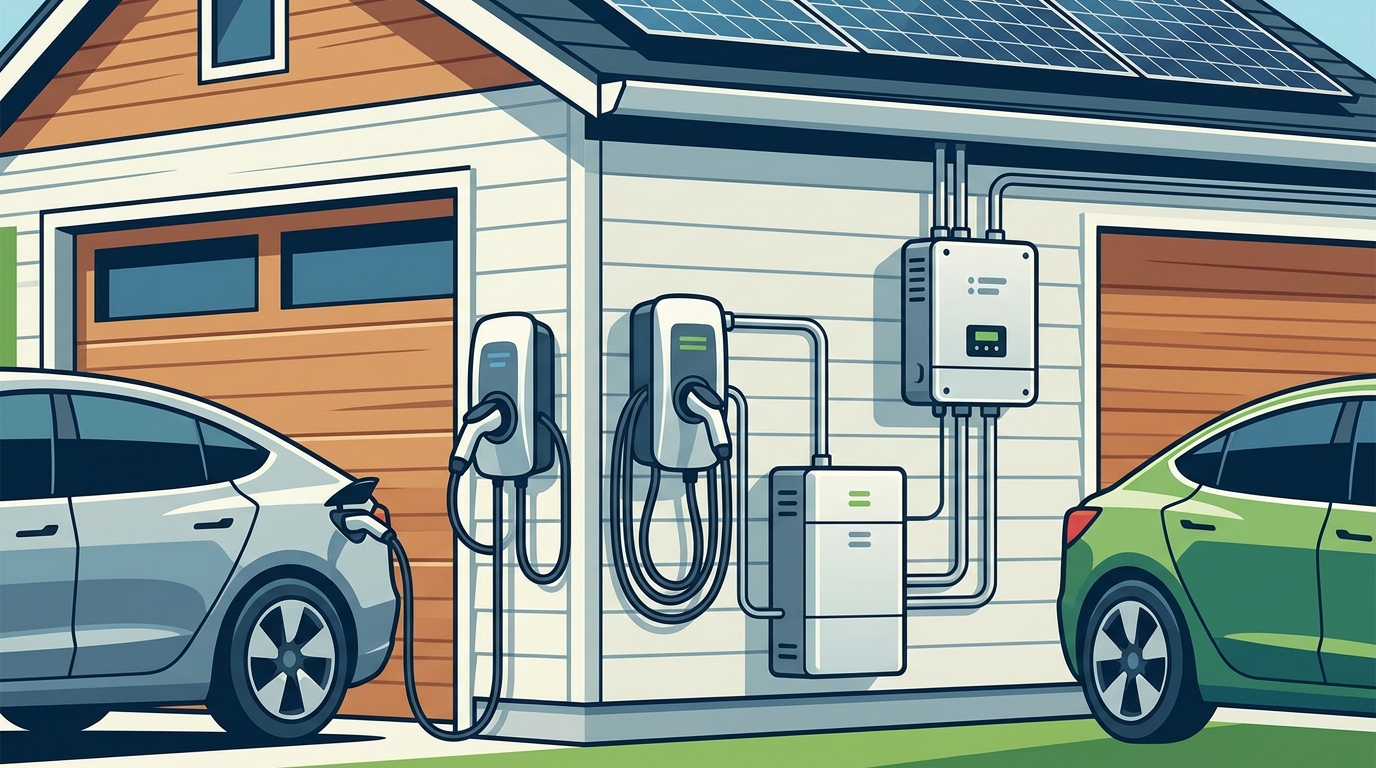
This is the most technical step. The battery and EV charger must communicate with your solar inverter to manage energy flow. There are two main types of integration: AC-coupled and DC-coupled. AC-coupled systems add a separate battery inverter that connects to your home's AC bus. This is often easier to add to existing solar systems because it does not require replacing your main solar inverter.
DC-coupled systems connect the battery directly to the solar panels. This method is generally more efficient because it avoids the energy loss associated with converting DC to AC and back to DC. However, it often requires replacing your existing solar inverter with a hybrid inverter. This can be more expensive but offers better long-term efficiency. Energy Storage Association guidelines recommend evaluating the efficiency gains against the upfront cost of inverter replacement.
Your installer will configure the energy management software to prioritize solar usage. The system will first use solar power for your home and EV charger. Any excess solar energy will charge the battery. If the battery is full, the excess may be exported to the grid, depending on your net metering agreement. This automated process ensures you get the maximum value from your solar investment.
Step 5: Evaluate Financing and Incentives
The final step is financial planning. Adding an EV charger and battery storage is a significant investment. However, various incentives can offset the cost. The federal Investment Tax Credit (ITC) allows you to deduct a percentage of the cost of installing a battery system from your federal taxes. This credit applies to both the battery and the associated labor costs.
Colorado also offers additional incentives for solar and storage. Net metering policies allow you to sell excess power back to the utility company at retail rates. This can significantly improve the payback period of your solar system. When you add a battery, you can store that excess power instead of selling it, using it later when rates are higher. Impact Energy details current solar incentives to help you maximize your savings.
Financing options include solar loans, home equity lines of credit, and property assessed clean energy (PACE) financing. Each option has different interest rates and terms. A solar loan allows you to own the system outright and claim all incentives. A lease or power purchase agreement (PPA) may offer lower upfront costs but limits your ability to claim tax credits. Compare these options carefully to find the best fit for your financial situation.
Key Takeaways
- Panel Capacity: Always verify your main electrical panel has sufficient amperage before installing an EV charger.
- Battery Chemistry: Lithium-ion batteries are the standard for residential storage due to their efficiency and lifespan.
- Integration Type: AC-coupled systems are easier for retrofits, while DC-coupled systems offer higher efficiency.
- Smart Features: Use smart charging to align EV charging with peak solar production for maximum savings.
- Federal Incentives: The federal tax credit significantly reduces the net cost of battery storage installations.
- Local Support: Professional installation ensures compliance with local electrical codes and safety standards.
- ROI Calculation: Factor in net metering rates and electricity price inflation when calculating your return on investment.
Frequently Asked Questions
Can I add a battery to my existing solar system?
Yes, you can add a battery to an existing solar system. This is typically done using an AC-coupled battery inverter that connects to your home's electrical panel. This method avoids the need to replace your existing solar inverter, making it a cost-effective upgrade path for most homeowners.
How much does it cost to add an EV charger and battery?
The cost varies based on the size of the battery and the type of EV charger. On average, a residential battery system can cost between $10,000 and $15,000 before incentives. An EV charger installation typically ranges from $1,000 to $2,500 depending on electrical panel upgrades. Federal tax credits can reduce these costs by 30 percent or more.
Will a battery backup power my EV charger?
Yes, a battery backup can power your EV charger during a grid outage. However, the duration depends on the battery's capacity and your vehicle's battery size. Most residential batteries are designed to power critical home loads first. You may need to prioritize charging your EV during the day using solar power to preserve battery capacity for essential home needs during an outage.
Do I need a special permit to install an EV charger?
Yes, most jurisdictions require an electrical permit for EV charger installation. This ensures the work meets local safety codes. Professional installers like Impact Energy typically handle the permitting process as part of their service. This protects you from liability and ensures the installation is inspected and approved by local authorities.
How does net metering affect battery storage value?
Net metering allows you to sell excess solar power to the grid. With a battery, you can choose to store that power instead of selling it. This is valuable in areas with low net metering rates or high time-of-use electricity prices. Storing power for self-consumption often provides a higher return than selling it to the utility company.
What is the difference between AC and DC coupling?
AC coupling connects the battery to the home's AC electrical system, making it compatible with most existing solar setups. DC coupling connects the battery directly to the solar panels, offering higher efficiency but often requiring a new hybrid inverter. AC coupling is generally preferred for retrofits due to easier installation.
Can I monitor my EV charging and battery status remotely?
Yes, most modern EV chargers and battery systems come with mobile apps. These apps allow you to monitor charging status, battery levels, and energy production in real time. You can also set schedules and receive alerts if your EV is not fully charged by a specific time. This remote monitoring capability is essential for optimizing your energy usage.
Ready to Upgrade Your Home Energy System?
Adding an EV charger and battery storage to your home solar system is a strategic move for energy independence and cost savings. The process requires careful planning, professional installation, and smart financial choices. By following these steps, you can ensure a seamless integration that maximizes your solar investment.
Do not attempt to install these complex systems yourself. Electrical work involving solar arrays and high-capacity batteries requires specialized knowledge and certification. Contact Impact Energy today to schedule a consultation. Our experts will assess your home, design a custom solution, and guide you through the financing and incentive process. Start saving and charging smarter with a professional installation.