
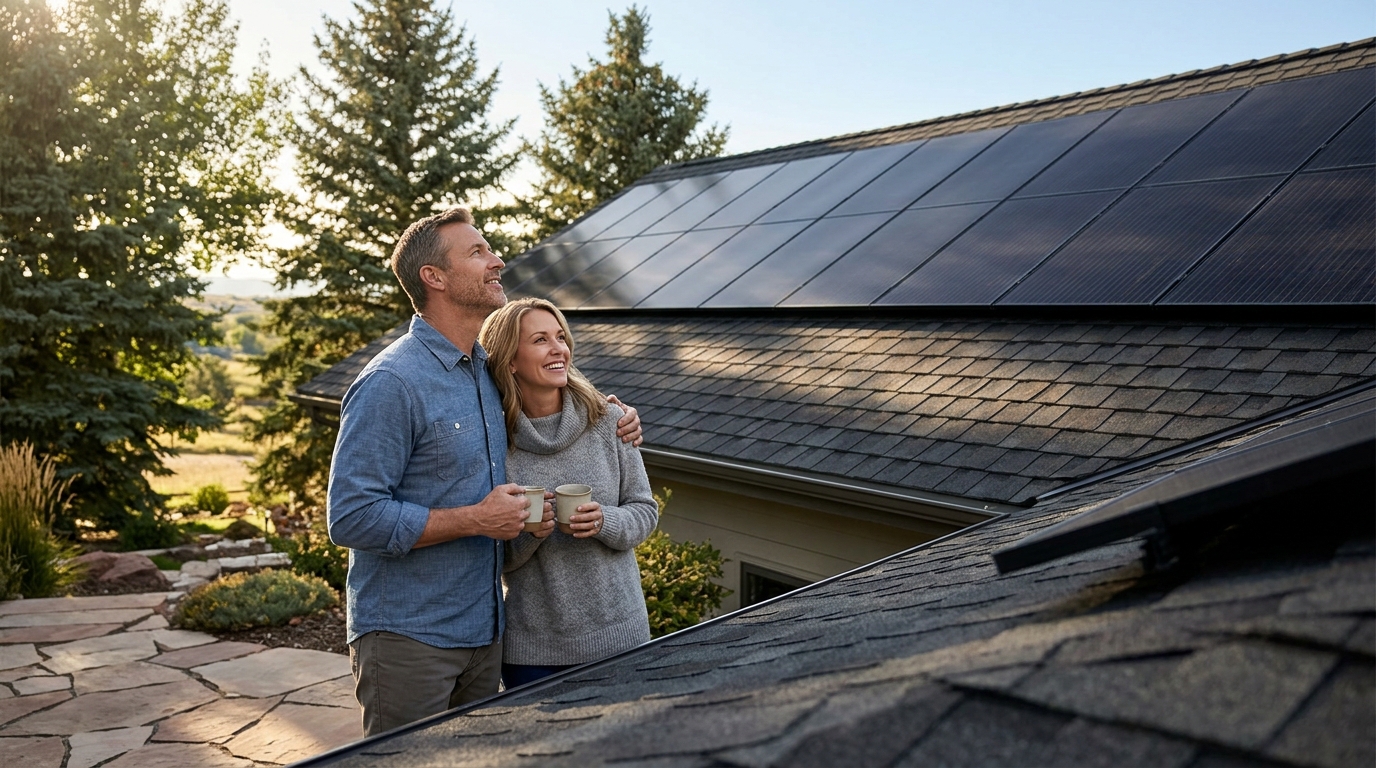
Homeowners in Colorado face unique weather challenges that accelerate wear on both roofing materials and solar infrastructure. According to recent industry data, combining these two major home improvements can reduce overall project costs by up to 20% compared to scheduling them separately. This strategic approach eliminates the financial penalty of removing and reinstalling solar panels later. It also ensures that your energy system is paired with a roof structure designed to last the full 25 to 30-year lifespan of the panels. (About Us Impact Energy)
Why Combine Solar and Roofing?
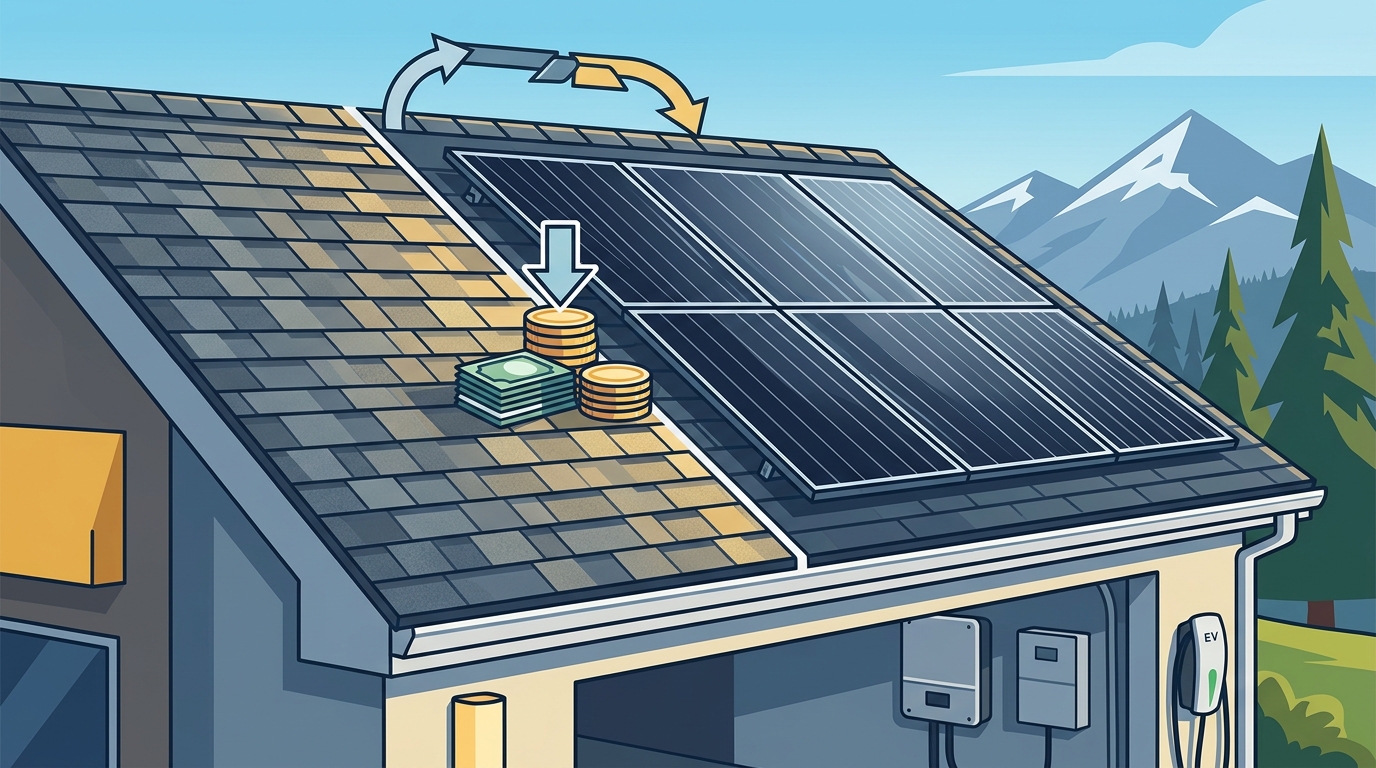
The most common mistake homeowners make is installing solar panels on a roof that has less than ten years of remaining life. When that roof eventually needs replacement, the solar array must be dismantled, the roof repaired or replaced, and the panels reinstalled. This process is expensive and disruptive. By addressing both needs simultaneously, you secure a unified warranty and a seamless aesthetic result. (Solar Installation in Denver)
Impact Energy operates as a full-service provider in Centennial, CO, and surrounding areas. We do not subcontract any part of the solar or roofing process. This in-house control ensures that the roofing team and the solar installation team work in perfect coordination. The result is a system that is structurally sound and energy-efficient from day one. You avoid the coordination headaches of managing two different crews on your property. (Blogs Impact Energy)
Solar panels are a long-term investment. Solar panels are a long-term investment that requires a durable foundation to protect your return on investment. A new roof provides that foundation. It eliminates the risk of water damage that could compromise the electrical components of your solar array. It also improves the curb appeal of your home, increasing its resale value significantly.
The Colorado Climate Factor
Colorado’s weather patterns are harsh on building materials. The state experiences intense UV radiation, heavy snow loads, and rapid temperature fluctuations. These conditions can cause shingles to crack, granules to fall off, and seals to fail prematurely. A standard roof might struggle to maintain integrity under these stresses for decades.
When you install a new roof alongside solar panels, you are investing in materials designed to withstand these specific environmental pressures. Impact Energy uses high-durability roofing materials that complement the solar mounting systems. This compatibility is crucial for maintaining weatherproofing around the penetration points where the solar racks attach to the roof deck.
Furthermore, the altitude in Colorado affects solar efficiency. While the high altitude provides more direct sunlight, it also means more UV exposure. Modern roofing materials are engineered to reflect UV rays, reducing heat absorption. This keeps your attic cooler in the summer, which reduces your HVAC load and improves the overall efficiency of your home’s energy profile.
The Installation Process
Understanding the workflow helps homeowners prepare for the project. The process begins with a comprehensive site assessment. Our team uses satellite imagery to review your property’s layout. We analyze roof pitch, azimuth, and orientation to determine the optimal placement for solar panels. This step also includes a detailed shade analysis to identify obstructions like trees or neighboring buildings.
Once the design is finalized, we handle all necessary permits and inspections. This is a critical step in Colorado, where local building codes can vary between municipalities like Aurora, Denver, and Greeley. Having a single company manage this paperwork reduces the risk of delays or compliance errors. We ensure that both the roofing and solar installations meet or exceed local code requirements.
The installation phase is executed with precision. The roofing team replaces the existing roof structure first. They install underlayment, flashing, and the new shingles or metal roofing. The solar team then mounts the racking system directly into the roof rafters, ensuring a tight seal. This method prevents leaks and provides a sturdy base for the panels. After activation, you can immediately start enjoying energy savings without waiting for a second installation date.
Financial and Incentive Benefits
Combining these projects offers significant financial advantages. Labor costs are reduced because the roof is already exposed and accessible. There is no need to pay for the labor-intensive process of removing and reinstalling solar panels. Additionally, you can maximize your federal tax credits. The Investment Tax Credit (ITC) allows you to deduct a percentage of the total system cost from your federal taxes.
Colorado also offers specific incentives for renewable energy. The Solar Rewards program provides performance-based incentives for solar installations. By installing a larger, more efficient system on a new roof, you can maximize these payouts. Impact Energy helps you navigate these incentives to ensure you receive every dollar you are entitled to.
Financing options are available to make this upgrade accessible. You can choose from solar loans, leases, or power purchase agreements. These options often allow you to offset your monthly mortgage or energy payments with the savings generated by your new solar system. Many homeowners find that their combined payment for the roof and solar is less than their previous utility bill.
Single vs. Separate Contractors
Choosing between a single integrated provider and separate contractors is a critical decision. The table below outlines the key differences in experience, cost, and risk.
| Factor | Single Integrated Company | Separate Contractors |
|---|---|---|
| Warranty Coverage | Unified warranty for roof and solar | Disjointed warranties; potential blame games |
| Coordination | Seamless scheduling and workflow | Complex coordination between two crews |
| Cost Efficiency | Reduced labor and material handling costs | Higher costs due to panel removal/reinstall |
| Permitting | Single point of contact for all permits | Duplicate paperwork and potential delays |
| Accountability | One company responsible for the entire project | Difficulty determining liability for issues |
When you work with a company like Impact Energy, you eliminate the risk of one contractor blaming the other for leaks or installation errors. This accountability is invaluable in Colorado’s demanding climate. You get a single point of contact for any future service needs, whether it is a roof repair or a solar system check-up.
Key Takeaways
- Cost Savings: Bundling roof and solar projects can save homeowners up to 20% on total installation costs by eliminating redundant labor.
- Warranty Protection: A unified warranty from a single provider prevents disputes over leaks or system failures between different contractors.
- Colorado Climate: High UV exposure and snow loads require durable roofing materials that complement solar mounting systems.
- In-House Operations: Impact Energy does not subcontract, ensuring quality control and consistent customer service across all projects.
- Financial Incentives: Federal tax credits and Colorado Solar Rewards can significantly offset the upfront cost of a combined project.
- Service Areas: Impact Energy serves Centennial, Aurora, Denver, Greeley, Lakewood, and Pueblo with premium solar and roofing solutions.
- Long-Term Value: A new roof extends the lifespan of your solar investment, protecting your return on investment for decades.
Frequently Asked Questions
Can I install solar panels on a new roof?
Yes, installing solar panels on a new roof is the recommended approach. It ensures that the panels will last the full 25 to 30 years without needing to be removed for roof repairs. This maximizes your energy savings and protects your investment.
How does the Colorado climate affect solar and roofing?
Colorado’s intense sun and heavy snow require durable materials. High UV radiation can degrade shingles faster, while snow loads require strong mounting systems. Impact Energy uses materials designed to withstand these specific conditions.
What are the financing options for combined projects?
Impact Energy offers various financing options, including solar loans and leases. These options allow you to spread the cost over time, often with monthly payments lower than your previous utility bills.
Does Impact Energy handle permits?
Yes, we handle all necessary permits and inspections for both roofing and solar installations. This ensures compliance with local building codes in Aurora, Denver, and other service areas.
How long does the installation take?
A combined roof and solar installation typically takes one to two weeks, depending on the size of the project and weather conditions. Our in-house teams work efficiently to minimize disruption to your daily life.
What warranty coverage do I get?
You receive a unified warranty for both the roof and the solar system. This covers workmanship and materials, providing peace of mind and a single point of contact for any future service needs.
Can I get tax credits for both roof and solar?
You can claim the federal Investment Tax Credit (ITC) for the solar portion of the project. While roof replacements are generally not tax-deductible, the energy efficiency improvements may qualify for other incentives. Impact Energy can help you navigate these options.
Start Your Solar and Roofing Journey
Ready to upgrade your home with a seamless solar and roofing solution? Impact Energy is your trusted partner in Centennial, CO, and across Colorado. We offer premium solar installations, durable roofing, and expert HVAC services. Contact us today to schedule your free consultation and savings report. Visit our contact page to get started.